
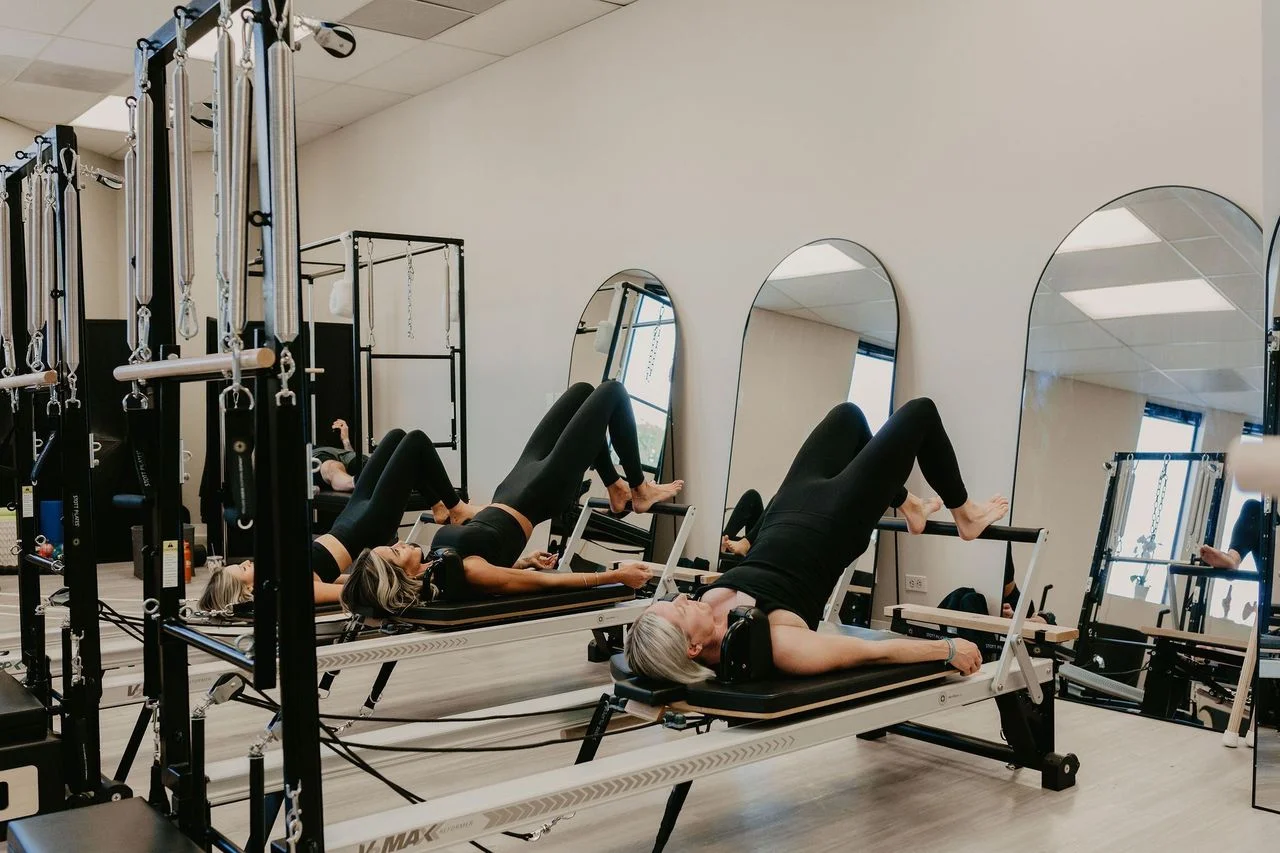
Pilates instructor training is not simply an extension of taking Pilates classes. It is a professional education pathway designed for individuals who want to understand movement deeply, teach responsibly, and guide others with confidence and precision.
As the fitness and wellness industry evolves, there is increasing demand for instructors who do more than demonstrate exercises. Clients and studios are looking for teachers who understand movement mechanics, posture, injury prevention, and individual adaptation. This is where structured Pilates instructor training becomes essential.
For fitness professionals, yoga teachers, athletes transitioning into coaching, and serious practitioners, Pilates instructor training offers a way to elevate teaching quality and build long-term professional credibility.
What Is Pilates Instructor Training?
Pilates instructor training is a structured education program that prepares you to teach Pilates safely and effectively. Unlike general classes, instructor training focuses on how and why movements work, not just how to perform them.
Training is built around:
- Movement principles and biomechanics
- Teaching methodology and communication
- Client safety and injury awareness
- Observation and correction skills
- Intelligent exercise adaptation
The goal is to develop instructors who can work with real bodies, not ideal movement patterns.
Pilates Classes vs Pilates Instructor Training
Many people assume that regularly attending Pilates classes is enough preparation to teach. In reality, the gap between participation and instruction is significant.
Pilates Classes
Pilates classes are designed for personal fitness and well-being. As a participant, you:
- Follow cues
- Focus on your own movement
- Improve strength, mobility, and posture
Classes are about experiencing Pilates.
Pilates Instructor Training
Instructor training requires a fundamental shift in perspective. You are no longer focused only on your own body you are learning to guide others.
In training, you learn to:
- Analyze movement patterns
- Understand why exercises are sequenced
- Identify compensations and limitations
- Communicate movement clearly
- Structure safe and effective sessions
This transition from student to teacher is what makes formal training essential, even for experienced fitness professionals.
Why Pilates Instructor Training Requires Formal Education
Pilates may appear subtle, but teaching it responsibly is complex. Small alignment errors can lead to ineffective movement or injury over time.
Pilates Instructor training teaches you how to:
- Observe subtle movement deviations
- Adjust exercises without disrupting flow
- Protect joints and the spine
- Teach progression rather than performance
This depth cannot be learned through classes or online videos alone. Certification ensures instructors understand the reasoning behind every movement choice.
What You Learn in Pilates Instructor Training
Pilates instructor training blends theory, practice, and teaching experience to develop well-rounded instructors.
Pilates Principles & Movement Foundations
Training begins with a deep exploration of core Pilates principles:
- Control
- Precision
- Alignment
- Breath
- Flow
These principles guide every exercise and teaching decision. Understanding them allows instructors to adapt Pilates intelligently rather than teaching rigid routines.
Mat Pilates Instruction (Teaching the Fundamentals)
Mat Pilates training forms the foundation of instructor education, regardless of whether you plan to teach on equipment later.
Mat training focuses on:
- Teaching fundamental Pilates exercises
- Developing clear, effective cueing
- Structuring logical class sequences
- Modifying exercises for different abilities
For many fitness professionals, mat training reveals movement inefficiencies that traditional training methods overlook.
Reformer & Equipment Training (Applied Teaching Skills)
Reformer Pilates instructor training introduces resistance-based movement using specialized equipment. This phase expands teaching precision and programming ability.
You learn:
- Equipment setup and safety protocols
- Progressive resistance programming
- Private and semi-private instruction
- Client-specific adaptations
Reformer training is essential for instructors who plan to teach in studio environments.
Anatomy & Biomechanics for Teaching
Pilates instructor training includes applied anatomy—not memorization, but functional understanding.
You learn how:
- Muscles support joint movement
- Spinal positioning affects load and stability
- Compensation patterns develop
- Breathing influences movement quality
This knowledge allows instructors to teach Pilates safely across a wide range of bodies.
Teaching Skills & Professional Development
Strong Pilates instructor training places heavy emphasis on how to teach, not just what to teach.
Key teaching skills developed include:
- Verbal cueing and communication clarity
- Visual observation and correction
- Exercise progression and regression
- Class management and pacing
- Building teaching confidence
These skills are transferable and improve teaching quality across all movement disciplines.
Who Should Consider Pilates Instructor Training?
Pilates instructor training is suitable for:
- Fitness professionals seeking deeper movement knowledge
- Yoga instructors wanting stronger biomechanical grounding
- Athletes transitioning into coaching
- Wellness practitioners focused on longevity
- Individuals aiming to teach Pilates professionally
You do not need to be advanced or highly athletic. What matters most is commitment to learning and professional growth.
Can Beginners Take Pilates Instructor Training?
Yes. Many successful Pilates instructors begin training without advanced movement backgrounds.
Beginner-friendly programs are structured to:
- Teach fundamentals clearly
- Build confidence gradually
- Avoid overwhelm
- Encourage long-term development
In fact, beginners often become excellent instructors because they learn Pilates intentionally, without unlearning bad habits.
Career Paths After Pilates Instructor Training
Pilates instructor training opens multiple professional pathways.
Graduates may:
- Teach group Pilates classes
- Offer private or semi-private sessions
- Work in Pilates studios or wellness centers
- Integrate Pilates into existing coaching or rehab-focused roles
Some instructors teach full-time, while others integrate Pilates alongside personal training, yoga, or movement coaching.
Is Pilates Instructor Training Worth the Commitment?
Instructor training requires time, effort, and consistency—but the return is long-term.
Benefits include:
- Professional credibility
- Teaching confidence
- Deeper movement understanding
- Career flexibility
Rather than producing quick results, Pilates instructor training builds sustainable teaching skills.
Common Misconceptions About Pilates Instructor Training
“I need years of Pilates experience first.”
Not true. Structured training teaches fundamentals from the ground up.
“Pilates is too gentle for serious trainers.”
Pilates challenges control, precision, and awareness—often more demanding than high-intensity training.
“Certification guarantees success.”
Certification provides tools. Growth comes through practice and continued learning.
How Pilates Instructor Training Changes the Way You Teach
Many instructors report that Pilates training:
- Improves cueing across all disciplines
- Enhances movement assessment skills
- Builds confidence working with injuries
- Encourages safer programming decisions
Pilates instructor training often transforms not just what you teach, but how you teach.
Final Thoughts
Pilates instructor training is a professional commitment to movement intelligence, safety, and clarity. It is not about mastering exercises; it is about understanding bodies and guiding movement responsibly.
For fitness professionals and aspiring instructors alike, structured Pilates instructor training provides the foundation for confident teaching and long-term career growth.
If your goal is to move beyond performing Pilates and toward teaching with purpose and precision, instructor training is the essential next step.